
The library books are going back today. One is beside the sofa, one is in a tote, and someone thinks the third went back yesterday. “We’ve sorted the books” can mean several different things.
A small record can make that sentence more useful: which book, where it is now, and what still needs to happen. You can keep it on paper or in a list you already use. If you are meeting the family assistant for the first time, meet Nestie. Here, the job is simply to help the family follow each borrowed book all the way back.
Record the library’s current due date
Start with the books you actually have borrowed. Take the due date from your own library’s current account or receipt, following its guidance. Put the library name beside it, especially if your family borrows from more than one system. “Library book” is a surprisingly unhelpful label when two different libraries are involved.
For a named example, NYPL puts initial due dates on receipts and provides renewed dates through accounts or updated receipts. See NYPL’s borrowing guidance. Changing a date in your personal note does not renew the loan.
If someone wants more time with a book, make the next action “check whether renewal is available.” Update your family record after the library confirms what happened. Wanting another week and having another week are separate pieces of information.
Give each book a short, recognizable description. A title fragment can be enough; two copies of the same title may need a small distinguishing clue. Use a simple private account label if that helps you locate the right record. The family worksheet does not need a card number or PIN.
An original worksheet might have these spaces:
- Book or identifying clue: ______
- Borrowing library and private account label: ______
- Current due date, checked against the library record: ______
- Where the book is now: ______
- Next action and the person who agreed to do it: ______
- Progress note: ______
These are prompts for your own notes. Choose only the ones that answer a real question in your household. If all three books belong to the same library and account, write that once at the top. A short record you can read while holding a tote is more useful than a beautiful sheet nobody updates.
Track the book, not just the plan to return it
Imagine a fictional family with three borrowed books: a fox picture book, a space atlas, and a gardening guide. Their due dates have already been checked and written beside the titles on their worksheet. On the morning of a planned library visit, the rest looks like this:
| Book | Where it is now | Progress note | Next agreed action |
|---|---|---|---|
| Fox picture book | Beside the sofa | At home | Maya will put it in the tote |
| Space atlas | In the tote by the door | Packed | Jules will take it to the library |
| Gardening guide | Handed to library staff yesterday | Handed back; awaiting account check | Maya will check the library record |
Each row describes a different stage. Jules can pick up the tote without assuming the fox book is inside. Maya can check the gardening guide without searching the house for something already handed back.
When Maya adds the fox book, she changes its note from “at home” to “packed.” After Jules hands both books back using the library’s accepted method, their notes can change again. Giving the tote to Jules is still a household handoff, so it does not count as giving the books to the library.
Before leaving, check the return place and method for the items you have. For example, Seattle Public Library tells patrons to return items through the branch Book Return, rather than its pickup lockers. Its locker instructions make that distinction explicit. Follow your own library’s instructions for your visit.
The person making the trip needs enough detail to do it: the books, the destination, and any relevant return instructions. A message saying “the atlas is in the blue tote; can you take it?” leaves room for an actual answer.
An unfinished book can go back too. Leave the bookmark conversation separate from the return plan; this worksheet is about borrowed objects, not whether anyone has read enough.
Close the loop with the library account
The gardening guide now has one small job left. Maya checks the library’s record and sees that the return is confirmed. She changes the family note to “confirmed returned” and closes that row. The other two books remain at the stage their own evidence supports.
If an item still appears as borrowed, keep the facts of the return available and ask your library what to do. Seattle Public Library asks readers to contact it when a returned item remains on their account; staff can try to locate it. See its returned-item account guidance. Follow the response you receive without inventing a deadline for the record to change.
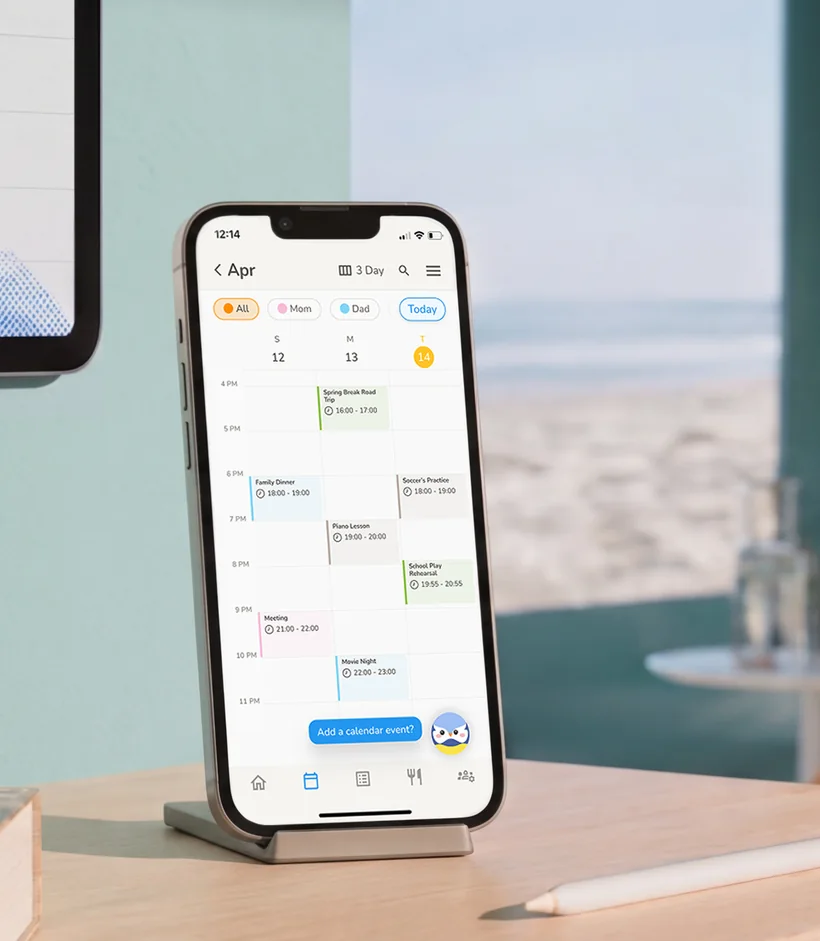
For families using Nestify, a To-do list can hold subtasks, with shared context in the list-level notes. You might call the list “Library returns” and use separate subtasks for taking the books back and checking the account. The progress labels above are your own worksheet language. Choosing between Lists and Tasks explains the broader options if you need them.
Checking off a personal subtask records your action. The library’s record establishes its return status. Keep that distinction visible even if your whole family knows where the checklist lives.
Paper works just as well for this method. Keep the sheet with the return tote, move it somewhere accessible after the trip, and close each row when the library record confirms the return. Start with one borrowed book: write where it is, then name its next real action.